

You know the pain. First step out of bed, and your heel feels like someone stuck a nail in it. If that's you, you've probably already typed "best plantar fasciitis chiropractor North Potomac" into Google at some ungodly hour, limping to the coffee maker while cursing your own foot. Fair enough. This stuff genuinely wrecks your day, and it doesn't just fade if you ignore it long enough. Actually, it usually gets worse.
Here's what makes plantar fasciitis annoying: it's patient. People treat it like a pulled muscle, something a few days of rest will handle. It won't. Left alone, it tends to spread and often ends up messing with your knee or ankle too, since your body starts compensating without you even realizing. So let's get into what's actually going on, why it happens, and what a chiropractor can, and honestly can't, do about it.
What's Going On In Your Foot
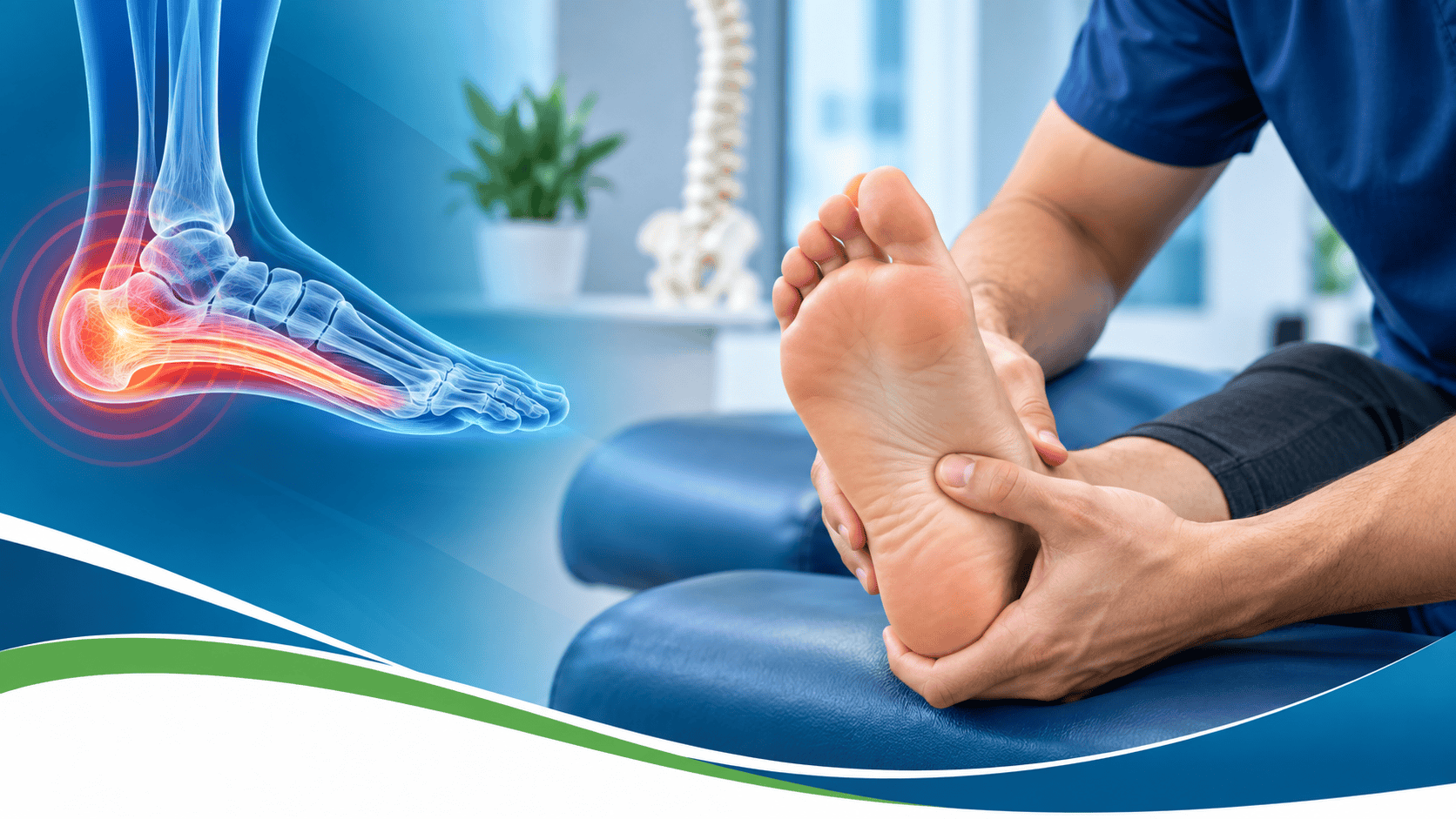
There's a band of tissue on the bottom of your foot called the plantar fascia. It runs from your heel to your toes and works kind of like a built-in shock absorber, every step, every day. Overload that tissue, and small tears start forming in it. Your body reacts with inflammation, which is where the stiffness and that sharp stabbing pain come from.
Once you know the pattern, it's easy to spot. Here's what usually shows up:
- That sharp, stabbing pain during your first steps in the morning, or after sitting for a while
- Pain that builds the longer you're standing, especially on hard floors
- A flare-up after a workout, even if nothing hurt during the workout itself
- A tight, stiff feeling along the arch of the foot
- Pain that eases while you're moving, then comes right back the second you stop
Most people wait way longer than they should before doing anything about it. There's this instinct to think "I've just been on my feet a lot" when really, the tissue needs actual care, not just ice and hoping.
Why Does This Even Happen
Rarely one single cause. It usually builds up slowly, a mix of overuse and mechanics that were a little off long before the pain showed up. The usual suspects:
- Overuse, especially common in runners, walkers, and anyone standing all day at work
- Bad footwear, particularly flat or unsupportive soles that leave the fascia doing all the shock-absorbing on its own
- Extra body weight, which adds load to the fascia with every step
- Tight calves or a stiff Achilles tendon, which limit ankle movement and shove more stress onto the heel
- Flat feet or unusually high arches, both of which throw off weight distribution, just in different directions
- A sudden jump in activity, like training for a race without easing into the mileage first
- Age and occupation, since this shows up most between 40 and 60, and more often in jobs where you're standing on concrete all day
Since the causes are almost always mechanical, how your foot, ankle, and leg move together as one system, fixing just the foot alone often doesn't stick.
Why Chiropractic Care Actually Makes Sense
A good chiropractor doesn't just poke at the sore spot and send you home. They look at the whole chain, feet, ankles, knees, hips, and spine because a restriction anywhere in that chain changes how weight travels through your foot.
Worth saying plainly, right here in the middle of it: the best plantar fasciitis chiropractor North Potomac has to offer is someone treating what's actually causing your pain, not just numbing it for a week and calling it done. Anything less is a temporary patch, not a fix.
What that treatment usually looks like in practice:
- Manual adjustments to the foot and ankle joints to restore normal movement and take pressure off the fascia
- Soft tissue work, like myofascial release or trigger point therapy, to loosen the fascia and calf muscles
- Gait analysis, to identify mechanical issues like overpronation or uneven weight distribution
- A stretching and strengthening routine for the calf, Achilles, and small foot muscles, so the problem doesn't come right back
- Taping or bracing for extra support during flare-ups or busy activity stretches
- Honest guidance on footwear and daily habits, since none of this holds if you undo it every night at home
Treating the foot on its own, in isolation, rarely works for long. That's really the whole case for someone who actually understands lower-extremity mechanics, not just spine adjustments.
What's Worth Checking Before You Book
Not every chiropractor works with feet. Plenty focus almost entirely on the neck and back, which is fine, just not what you need right now. Before booking, it's worth checking a few things:
- Do they actually have experience with foot and ankle cases, or is that outside their usual lane?
- Is there a real exam and diagnostic process, or just reassurance without much actual assessment?
- Do they run a gait or biomechanical check? That's usually a decent sign they're finding the actual cause instead of guessing.
- What do reviews say, specifically from people with heel or foot problems, not just general back relief?
- Are they willing to combine care, physical therapy, orthotics, or whatever the case actually needs?
- Are the timelines realistic? If someone promises you'll be fixed after one visit, walk away.
One more thing worth mentioning. A lot of patients dealing with foot pain also carry tension in their neck and upper back, purely from compensating. Change your gait to dodge heel pain, and that shift travels all the way up: hips, spine, shoulders, and eventually the neck. Sound familiar? The same clinic known locally as the best neck pain chiropractor North Potomac has to offer usually treats both at once, since posture and gait are connected from your head down to your heel.
How Long Does This Take, Realistically
Depends on the case, honestly. Comes down to how long you've had it, how much damage there is in the tissue, and how consistent you actually are with the stretches between visits.
Catch it early, and you might see real improvement within a few weeks. If it's been dragging on for months already, expect a longer road, sometimes several months, since the tissue's had time to scar and your body's had time to build other compensating movement patterns you're probably not even aware of.
Consistency matters more than intensity here. Most people who take longer to heal aren't doing anything wrong medically, they're just skipping the home stretches or jumping back into running too soon.
FAQ
Can a chiropractor actually help with this?
Yes. They work on joint mechanics and soft tissue, addressing the pain and what's causing it at the same time.
Does it hurt?
Soft tissue work can feel like a deep massage, sometimes uncomfortable. Adjustments themselves are gentle, not sharp.
How many visits does it usually take?
Mild cases often improve in about 4 to 6 visits. Chronic ones take longer, sometimes a few months.
Can I keep exercising?
Skip the high-impact stuff, running especially, for now. Swimming or cycling are usually fine.
Does it come back?
It can, especially if the actual cause, tight calves, bad shoes, whatever it is, never actually gets addressed.
Conclusion
Plantar fasciitis doesn't fix itself, and waiting it out usually makes things worse, not better. If heel pain's messing with your day-to-day, working with the best plantar fasciitis chiropractor North Potomac has to offer means an actual diagnosis, a plan built around what's really causing your pain, and a real shot at walking without it again