

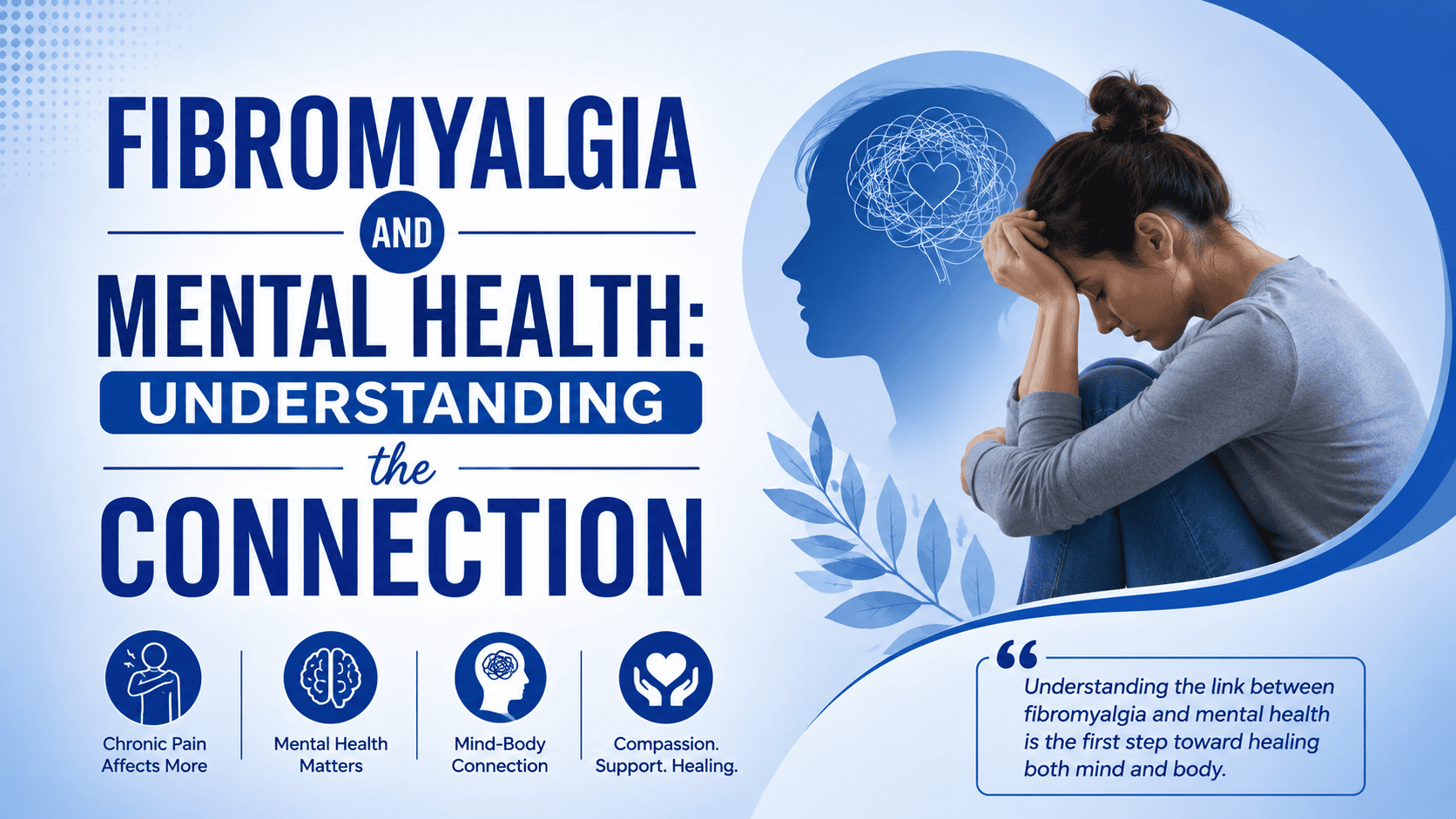
Fibromyalgia symptoms can be physically exhausting and can sometimes have a wider impact than the physical symptoms. Many people with fibromyalgia also face emotional and mental health issues that affect their daily lives, relationships, sleep, and health. Living with chronic pain, fatigue, and not knowing what's wrong can have a negative impact on physical and psychological well-being.
By grasping the link between fibromyalgia and mental health, you can find effective support and lasting relief. In this article, we will discuss the effects of fibromyalgia on the mind, some of the emotional symptoms, and how fibromyalgia treatment can help to get a better handle on both physical and emotional wellness.
What is fibromyalgia?
Fibromyalgia is a long-term disorder that involves pain, fatigue, sleep disturbances, and tender points all over the body. It's thought that fibromyalgia alters the way the brain and nervous system respond to pain signals, making the individual more sensitive to pain.
Fibromyalgia symptoms may include:
- Widespread body pain
- Fatigue
- Sleep disturbances
- Brain fog/memory issues
- Headaches
- Muscle stiffness
- Easier to hear, see, or feel
The emotional and psychological toll of fibromyalgia can be just as difficult as the physical pain, although it is likely the least recognized symptom.
The Link Between Fibromyalgia and Mental Health
Chronic pain disorders are closely linked with mental health disorders. Anxiety, depression, stress, or emotional fatigue are common occurrences of fibromyalgia in many people.
It is possible that the relationship can go both ways:
- Chronic pain can exacerbate emotional distress.
- Pain and fatigue may be exacerbated by mental health issues.
This cycle can aggravate symptoms and make them more difficult to control if not treated comprehensively.
Impact of chronic pain on mental health
Constant pain can have an impact on almost every part of an individual's life. Activities that were once easy could be hard or tiring. Things that were previously easy may become difficult or exhausting.
Chronic pain can become an issue for years and years and lead to the following:
- Frustration and irritability
- Feelings of isolation
- Loss of motivation
- Difficulty maintaining relationships
- Limited mobility of work and sport
- Sleep deprivation
Fibromyalgia can cause a lot of people to feel misunderstood because the symptoms aren't always obvious to those around them. This lack of understanding can lead to greater emotional stress and loneliness.
Anxiety and Fibromyalgia
Many individuals who are suffering from fibromyalgia suffer with anxiety. Continuing pain and flare-ups can cause worry about pain, work, financial issues, or future health.
Fibromyalgia anxiety symptoms can include the following:
- Racing thoughts
- Restlessness
- Panic attack
- Muscle tension
- Trouble concentrating
- Increased fatigue
Stress/anxiety can also contribute to exacerbations of fibromyalgia, which can lead to a vicious circle of pain and emotional stress.
Depression and Fibromyalgia
Another mental health issue that is common with fibromyalgia is depression. If pain and fatigue are ongoing, hobbies, social activities, and independence may be affected, causing sadness or hopelessness.
Some symptoms of depression are:
- Persistent sadness
- Lack of enthusiasm for activities
- Low energy
- Changes in appetite
- Sleep disturbances
- Difficulty concentrating
It is crucial to remember that fibromyalgia patients' depression is not a response to pain. Some shifts in brain chemistry may also be responsible for both disorders.
Brain Fog and Cognitive Challenges
Fibromyalgia can cause “fibro fog," which is a term used for the foggy thinking that many people experience. This symptom impacts mental performance and may make it more challenging to manage daily activities.
Fibro fog symptoms may include:
- Memory problems
- Difficulty focusing
- Slower thinking
- Trouble finding words
- Mental fatigue
Such mental difficulties may lead to stress, frustration, and a lack of confidence, particularly at work or socially.
Emotional Health and Sleep Problems
One of the most common symptoms of fibromyalgia is poor sleep. Unfortunately, poor sleep can make physical pain and mental health symptoms worse.
Sleep deprivation could lead to an increase in:
- Anxiety
- Irritability
- Depression
- Fatigue
- Unable to manage stress easily and effectively
Better sleep is frequently a key component of the treatment of fibromyalgia because a good night's rest can help balance out mood and sensitivity to pain.
Fibromyalgia Treatment and Mental Wellness
Due to the physical and mental nature of fibromyalgia, treatments may include a variety of physical and emotional supports.
Chiropractic Care
The chiropractic techniques could help alleviate muscle tension, increase mobility, and assist the function of the nervous system. Non-invasive spinal work and soft tissue treatments can aid in obtaining relief from pain and also enhancing total wellness. Non-invasive spinal work and soft tissue therapies can help relieve pain and boost overall wellness.
Get active and use physical activity
Walking, stretching, swimming, or yoga are low-impact activities that can help to alleviate pain and boost mood. Moving also can boost energy and improve sleep.
Stress Management
Stress management is crucial, as emotional stress can aggravate symptoms of fibromyalgia. The following tips can be useful:
- Meditation
- Deep breathing exercises
- Mindfulness practices
- Relaxation therapy
Counseling or Therapy
Chronic pain, anxiety, and depression can be managed through mental health counseling. Fibromyalgia patients are often recommended cognitive behavioral therapy (CBT).
Sleep Support
Healthy sleeping routines can help alleviate physical and emotional symptoms. Regular bedtime and limiting screen time before sleep can help to promote better sleep.
Nutrition and Lifestyle Changes
The right balance of food and fluids and the avoidance of foods that produce inflammation can help promote overall wellness and energy.
Importance of a holistic approach
Fibromyalgia is a complex problem that needs more than symptom management. If emotional issues are not addressed along with the pain, the healing process and future well-being can be restricted.
A holistic approach to fibromyalgia treatment focuses on
- Physical health
- Emotional wellness
- Sleep quality
- Stress reduction
- Lifestyle improvements
People could have better symptom control and quality of life by supporting the whole person and whole mind.
Support to a Loved One with Fibromyalgia
Emotional support can be very helpful to someone you know who is suffering from fibromyalgia. It is often not visible to the patient, which can be misinterpreted or lead to the feeling that the patient is not being taken seriously.
There are many ways to offer support, such as:
- Listening without judgment
- Being patient during flare-ups
- Encouraging healthy habits
- Learning about fibromyalgia
- Offering emotional reassurance
Compassion and understanding can help alleviate emotional stress and feelings of isolation.
Conclusion
This relationship between fibromyalgia and mental health is not hypothetical and is complicated. People with chronic pain may experience other symptoms such as fatigue, sleep issues and emotional stress that can compound their pain. It is crucial to comprehend this link in order to gain relief and maintain general wellness.
Both physical and emotional services should be included in the comprehensive fibromyalgia treatment, as this will enable the patient to get a balance in his/her life. Many people can better manage their symptoms and enhance their quality of life with appropriate care, lifestyle adjustments, and professional guidance.
Active Family Chiropractic is dedicated to customized care that helps patients suffering from chronic pain conditions with supportive treatments from a chiropractic and wellness perspective.
Frequently Asked Questions (FAQs)
Can fibromyalgia affect mental health?
Yes, fibromyalgia is commonly linked to anxiety, depression, stress, and emotional fatigue due to chronic pain and sleep disturbances.
Why does fibromyalgia cause anxiety?
The unpredictability of symptoms, chronic pain, and fatigue can increase stress levels and contribute to anxiety.
Can stress make fibromyalgia worse?
Yes, emotional stress can trigger fibromyalgia flare-ups and intensify pain and fatigue symptoms.
What is the best fibromyalgia treatment?
Effective fibromyalgia treatment often includes a combination of chiropractic care, exercise, stress management, sleep support, and lifestyle changes.
Does fibromyalgia cause brain fog?
Yes, many people with fibromyalgia experience memory problems, difficulty concentrating, and mental fatigue known as fibro fog.